How To Make Soft Planning Work For You
Monday started with a text about a grandkid getting dropped off at my house. Then a second text: no, not happening. By the time I’d dropped a different grandkid at daycare and found out someone had signed my daughter up, without asking her, for a babysitting shift that night, I already knew how the day would go. That’s the kind of morning that makes me grateful soft planning exists somewhere in my life, because nothing else about that day was soft. I build planners and systems for other people for a living. But when it comes to my own hours, soft planning is the only kind that survives contact with a day like that one.
What Does a Normal Day Even Look Like Around Here?
I got ink all over myself at work, came home to grab my son for his shift, and walked into a mess from the dog that required taking my bed apart. Laundry ran past midnight, including a piece of bedding I wasn’t sure could even go in the wash. Somewhere in there, daycare called about a grandkid misbehaving, I’d ordered groceries for delivery, delivery ran late, and supper turned into whatever we still had in the fridge. One kid needed pajamas delivered across town. My daughter walked home in the dark, upset over a hurt cat she couldn’t help. My husband got home at midnight and reassembled the bed. I went to sleep without a pillow because it was still in the dryer. The dog woke me at 4am anyway.
None of that was on a calendar. None of it could have been. That’s the part people miss when they imagine someone who builds planners for a living. My days aren’t tidy. Duct tape, group texts, and whatever version of “the plan” survives past 9am hold them together.
So Why Would Anyone Choose Soft Planning on Purpose?
Here’s what I keep coming back to: almost everything in my life already demands hard planning. My family runs on other people’s schedules, not mine. My businesses, PlannerAP and Chaos Caboose, need real deadlines, real launch dates, and real production calendars, because printables don’t build themselves and neither does a brand. Grandkids need pickup times. Daycare needs a phone number that answers. None of that bends for me. It just happens, and I adjust.
Which means by the time I get to my own stuff, the part of the day that’s actually mine, I have nothing left for rigid. I don’t want a system that scolds me for missing a slot. I want something that meets me where I actually am, whether that’s calm and caffeinated or running on four hours of sleep and someone else’s pajamas. That’s what soft planning is for. It’s not the plan for the parts of life that already have teeth. It’s the plan for the parts that are supposed to be mine.
What Do My Snakes Have to Do With Any of This?
I keep four snakes, and I’ve got two empty terrariums sitting there, waiting for whoever comes next. Snakes don’t run on my clock. They eat when they’re ready, not when I’ve scheduled it. My job isn’t to force a feeding time. It’s to set up the tank right, keep the temperature steady, and let the rest unfold on its own timeline.
That’s the version of planning I want for myself. Not a countdown. A container. Somewhere structured enough to hold me, loose enough not to grip.
What Soft Planning Actually Means When I Say It
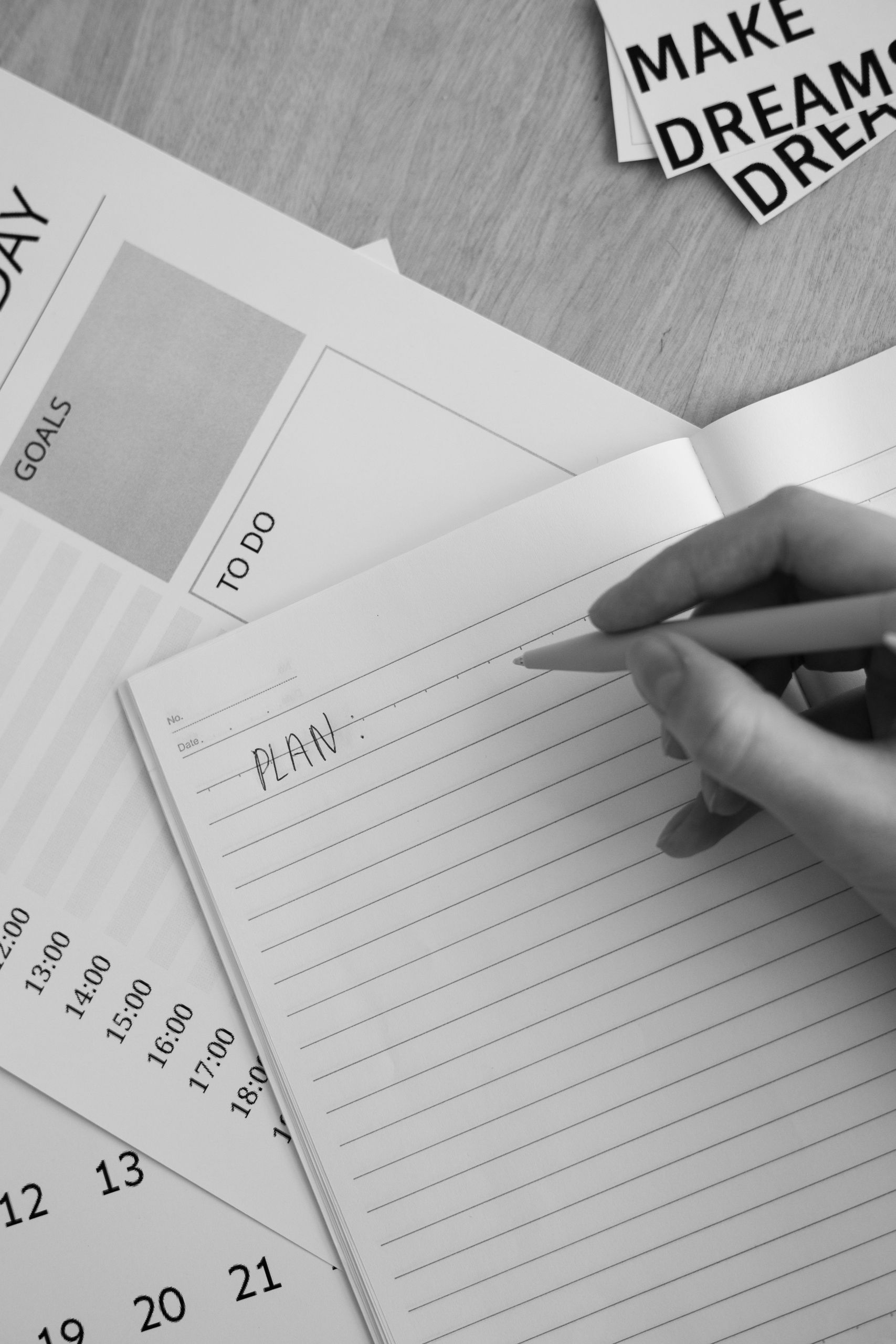
Low-pressure organizing isn’t the absence of a plan. It’s a plan with give in it. It’s a to-do list that doesn’t guilt you over what’s still on the list, and a weekly layout with room for “laundry, whenever,” instead of “laundry: 8pm sharp,” because 8pm has a way of turning into a pajama delivery run across town.
Unhurried scheduling looks less like a countdown and more like a shape for the day, loose enough to survive a hurt cat, a delayed delivery, or a grandkid who needs picking up early. Gentle structure shows up in the small choices: writing “family stuff, as needed” instead of pretending I can predict which kid needs what and when. It’s practical because it accounts for real life instead of an imaginary version where nothing interrupts you. It’s non-judgmental because nobody designed it to catch you failing.
Where Does That Leave Me?
Maybe the honest answer is that soft planning isn’t really about planning at all. It’s about deciding that at least one corner of my day gets to be gentle with me, even when the rest of it isn’t. Everything else already asks me to be flexible on someone else’s terms. This is the one place I get to set the terms myself.
I don’t know if that’s a system worth teaching anyone else. Maybe it’s just mine. But if your week looks anything like my Monday, I’d love to know what “soft” would even look like for you, and whether you’d let yourself have it.